Quick answer
The most urgent electrical fire warning signs are a burning or hot-plastic smell, warm outlet or switch plates, scorch marks, buzzing, and breakers that keep tripping; if you see smoke or flames, get out and call 911. For a sign without smoke, a St. George-area troubleshooting visit typically costs $150–$350 as of September 2026, and St. George Electric Pro can match you with an independent, licensed local electrician at no cost.
St. George Electric Pro · St. George, UT and Washington County
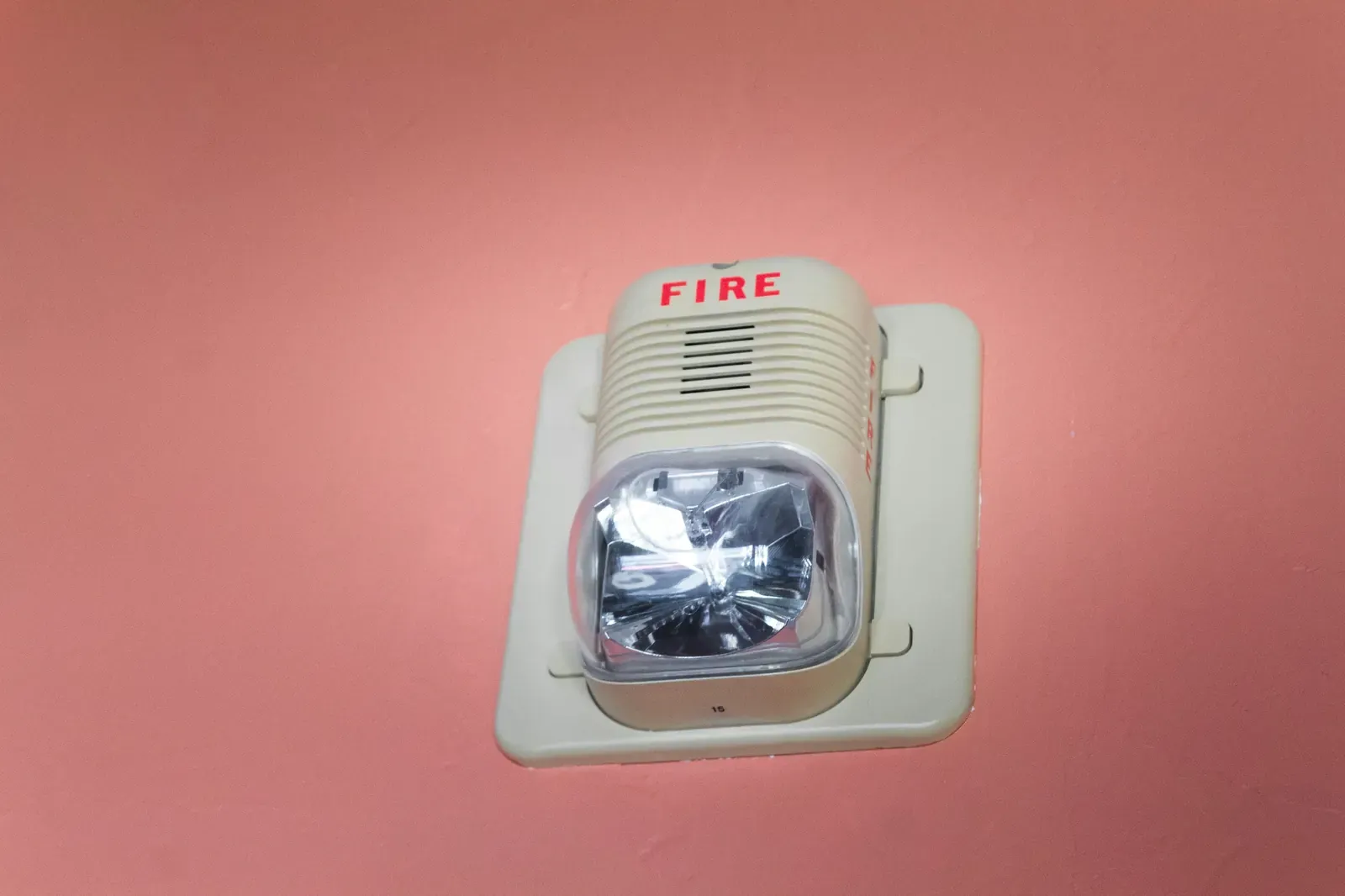
Why electrical fires deserve attention
Electrical fires are not rare. The U.S. Fire Administration estimates that electrical malfunctions caused 23,700 residential building fires in the United States in 2023, killing 305 people and injuring 800. Over the decade from 2014 to 2023, it reports, the number of these fires rose slightly while deaths fell.
The useful part of that picture is how these fires start. Most are not sudden explosions. They begin at a connection that has worked loose, a device that has worn out, a cord that has been crushed, or a circuit asked to carry more than it was built for. Each of those produces heat long before it produces flame, and heat has symptoms you can notice: smell, warmth, discoloration, sound, and breakers that trip.
Signs that mean act today
If you notice any of these, switch off the affected circuit at the panel if you can do it safely, stop using what is plugged in, and get an electrician to look at it. If there is smoke or flame, skip straight to the response steps below.
-
A burning, hot-plastic, or “fishy” smell
Overheating wire insulation and plastic devices often smell fishy or like hot plastic before anything is visible. If you cannot find a harmless source, treat it as electrical.
-
Warm or hot outlet and switch cover plates
A plate should be room temperature. Warmth means current is fighting a poor connection behind it. Dimmers run slightly warm; hot is not normal.
-
Scorch marks or discoloration
Brown or black marks around outlet slots, a melted plug, or a darkened cover plate are evidence that heat has already happened.
-
Sparks, crackling, or sizzling
A small blue spark when you pull a plug under load can be normal. Repeated sparks, sparks from the wall, or a crackling sound are not.
-
Buzzing from a switch, outlet, or the panel
Electrical devices should be silent. Buzzing usually means a loose connection or a failing breaker that is arcing.
-
A breaker that trips repeatedly or feels hot
Frequent trips mean a circuit is overloaded or faulted. A breaker that is hot to the touch, or will not stay on, needs attention now.
Signs that mean book a visit soon
These are not emergencies on their own, but each one is a condition that makes the signs above more likely. They are good reasons to have an electrician look at the house before summer, before you add an EV charger or a hot tub, or before you buy an older home.
-
Flickering or dimming lights
Across the house when the AC or dryer starts suggests a service or panel issue. On one circuit, a loose connection somewhere along it.
-
Loose outlets
If plugs fall out or the outlet wiggles in the wall, the contacts are worn and the connections behind it may be loose too.
-
Mild shocks or tingles
A tingle from an appliance, a faucet, or a switch plate points to a grounding or insulation problem. Stop using it until it is checked.
-
Damaged cords and overloaded power strips
Cords run under rugs, pinched behind furniture, or daisy-chained power strips feeding heaters and appliances.
-
An old or flagged panel
Some older panel lines, notably Federal Pacific Stab-Lok and Zinsco, are widely flagged by home inspectors. Have an electrician evaluate one if you have it.
-
Aluminum branch wiring
Found in some homes wired between 1965 and the mid-1970s. It needs specific repairs, described below.
What to do if you suspect an electrical fire
These six steps run from the worst case to the most common one. The order matters: people first, then power, then diagnosis.
-
Get everyone out if you see smoke or flames
Leave the house, close doors behind you if you can, and call 911 from outside. Do not stay to investigate.
-
Never use water on an electrical fire
Water conducts electricity. Only use a fire extinguisher rated for electrical fires (Class C, which includes common ABC extinguishers) and only on a small fire with a clear exit behind you.
-
Cut the power if you can do it safely
If there is a smell or heat but no flames, and the panel is reachable without passing the source or standing in water, switch the affected breaker, or the main breaker, OFF.
-
Do not reset the breaker or keep using the circuit
Leave the circuit off and unplug anything on it. A breaker that tripped because of heat will trip again, or worse, fail to.
-
Call 911 if the smell persists after the power is off
Heat can keep smoldering inside a wall. Firefighters carry thermal cameras and would rather check a false alarm than arrive late.
-
Have an electrician find the cause before power goes back on
Describe what you smelled, saw, or heard and where. The electrician will trace the circuit and repair the failed connection or device.
How desert heat raises the stakes in St. George
Heat is the common thread in every warning sign above, and St. George adds a lot of it from outside. The city recorded its hottest July on record in 2024, averaging a 107.9°F high with 46 straight days at or above 100°F, according to National Weather Service figures reported by KUER. That matters electrically in three places.
- Attics and garages. Wiring, junction boxes, and garage outlets spend months in temperatures far above the living space. A connection that is slightly loose runs hotter in that environment, and heat speeds up the loosening. Garage outlets feeding a second refrigerator or a chest freezer all summer deserve a look.
- Air-conditioning load. AC compressors pull heavy current for hours, and their circuits, disconnects, and the main panel carry that load for weeks at a time. Breakers that trip in August but never in April are telling you something about capacity, covered in the 200-amp panel upgrade guide.
- Outdoors. Sun breaks down cords, outdoor outlet covers, and landscape-lighting wiring. Evaporative coolers put water close to electrical connections. Outdoor outlets should be GFCI-protected and have covers that close with a cord plugged in.
Winter has its own version. St. George nights get cold enough for space heaters, and a space heater on an extension cord or a crowded power strip is one of the classic overloads. Plug heaters directly into a wall outlet and keep them off circuits that already run other heavy loads.
Aluminum branch wiring
If your home, or an addition to it, dates from the late 1960s or early 1970s, this section applies. The U.S. Consumer Product Safety Commission says cables installed between 1965 and the mid-1970s, in new homes, additions, and rewired circuits, may contain aluminum wiring, and that homes built before 1972 and wired with aluminum are 55 times more likely than copper-wired homes to have one or more outlet connections reach “fire hazard conditions.” The CPSC’s listed warning signs match the ones above: hot face plates, flickering lights, circuits that do not work, and a burning-plastic smell at outlets or switches.
If a home of that age has aluminum wiring, the CPSC recognizes three permanent repairs: replacing the aluminum branch circuits with copper; the COPALUM method, which crimps short copper pigtails onto the aluminum wire with a special connector and tool; and, where COPALUM is not available, pigtailing with AlumiConn connectors. An electrician can tell you what you have by looking at the cable markings in the panel or an unfinished basement or attic.
The protective devices that catch problems early
Modern code requires several devices that exist specifically to stop the conditions described on this page. When an electrician works on an older home, adding them is often part of the recommendation.
- AFCI breakers or outlets detect the arcing a loose or damaged connection produces and cut power before it can ignite anything. They are required on most living-area circuits in newer homes.
- GFCI outlets or breakers protect people from shock in wet and damp locations. They do not prevent fires, but a GFCI that keeps tripping often points to moisture or damage worth finding.
- Smoke alarms are the last line. Test them monthly and replace them at the age the manufacturer specifies; interconnected alarms sound together so one in the garage wakes everyone.
What an inspection or repair costs
Every figure below is a typical range for a licensed electrician in the St. George area, not a quote. Full sources and methodology are on the electrician cost guide.
| Job | Typical range | What moves it |
|---|---|---|
| Whole-home electrical safety inspection Worth it before buying an older home or adding an EV charger. | $100–$400 | Worth it before buying an older home or adding an EV charger. |
| Troubleshooting / diagnostic visit (business hours) Finding why a circuit is dead or a breaker trips. Often credited toward the repair. | $150–$350 | Finding why a circuit is dead or a breaker trips. Often credited toward the repair. |
| Replace or add a standard outlet Adding a new outlet on a new circuit costs more than swapping one. | $125–$300 | Adding a new outlet on a new circuit costs more than swapping one. |
| GFCI outlet (kitchen, bath, garage, outdoor) Required by code near water; a common failure point in older homes. | $130–$300 | Required by code near water; a common failure point in older homes. |
| Light switch or dimmer Three-way and smart switches at the high end. | $85–$250 | Three-way and smart switches at the high end. |
| Typical emergency visit, all-in (diagnosis + a small repair) A dead circuit, a failed breaker, a burnt outlet. Bigger repairs are quoted separately. | $250–$600 | A dead circuit, a failed breaker, a burnt outlet. Bigger repairs are quoted separately. |
Most warning signs trace back to a single failed device or connection, which is a small repair. The expensive outcomes are the ones that were ignored: a panel damaged by a breaker that arced for months, or a circuit that has to be rewired because heat degraded the insulation along its length.
Choosing who fixes it
St. George Electric Pro is a referral service: we pass your request to an independent electrician who covers your area, and they quote and do the work. Whoever you hire, ask for their Utah contractor license number and check it with the state before work starts; the license verification guide takes about two minutes. For anything involving the panel or new wiring, ask whether they will pull a permit.